Published on Aug 8, 2025
A new US-EU trade phase started yesterday
Gazzani Studio
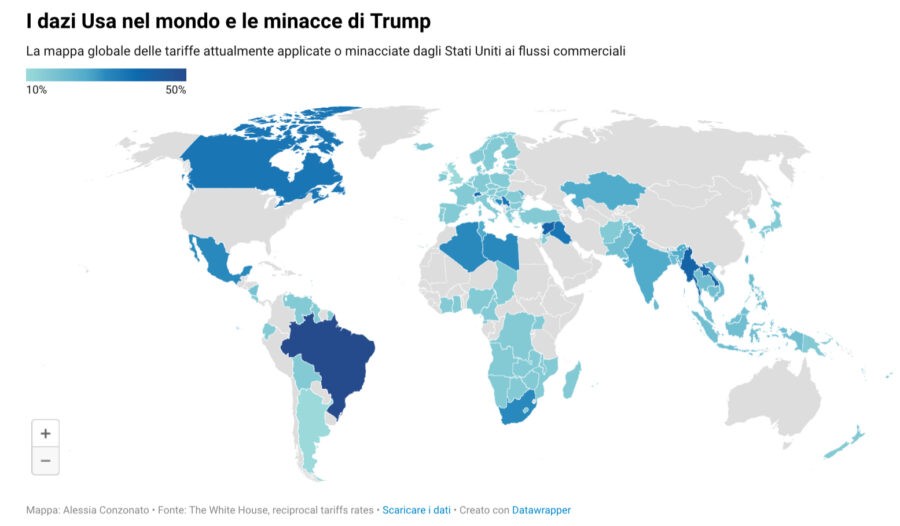
The situation that unfolded yesterday between the USA and the EU regarding the new tariffs marks a turning point in transatlantic trade relations: as of 7-8 August 2025, new US tariffs have come into force on almost all European imports, setting a single “cap” tariff of 15% on much of the European goods heading to the United States. This measure is far above the average of the previous tariffs applied by the USA to EU products (historically around 4.8%), even if it is lower than the 30% announced in the spring, and it represents a compromise reached after weeks of negotiation and tensions
Why this escalation
– The US decision, strongly pushed by the Trump administration to correct what is described as an imbalance in trade relations, is the response both to historical disputes (tariffs on steel/aluminium, cars, industrial products) and to recent differences over energy, technology and global competition.
– The EU, which had a package of counter-tariffs ready worth over 93 billion euros on US goods, has decided for now to suspend any retaliatory tariff for at least six months – a de-escalation move linked to the politically reached agreement on 27 July by von der Leyen and Trump. During this period, Brussels aims to consolidate the truce and verify compliance with the commitments, including a review of US tariffs on cars and components and exemptions for strategic sectors such as aircraft and pharmaceuticals.
Consequences and unknowns
– The measure offers “stability and predictability” to European and American businesses, avoiding an uncontrolled tariff escalation. However, many observers and political leaders in Europe (in particular in Germany and France) have already criticized the agreement, fearing that such a high average tariff could weigh on European exports and competitiveness.
– Parts of the agreement still need to be implemented: strong US tariffs (up to 50%) remain on steel, copper and aluminium, and the reduction of barriers for other key sectors still needs to be made concrete in practice.
– On the global economic relations front, the new US-EU arrangement risks hurting European growth (given the importance of the US market for EU exports: over 1,600 billion euros per year) and can fuel further tensions and retaliation, especially with other trading partners such as China
According to @Studio Gazzani yesterday marked the beginning of a new phase: a total trade war was avoided, but the solution reached is a fragile and costly truce, with many uncertainties still open regarding the real effects and duration. Europe, while working to defend its competitiveness and support companies hit by the new customs barrier, remains waiting for the USA to keep the further commitments made, hoping for a gradual return to more balanced free-trade relations between the two sides of the Atlantic, and above all for a ceasefire in the war.